
AI-Driven Predictive Maintenance Approaches: Comparing Methods and Tools
Selecting the right approach and toolset for predictive maintenance can determine whether your initiative delivers measurable OEE improvements or becomes another underutilized analytics dashboard. The landscape spans from DIY open-source implementations to enterprise platforms from industrial giants like Siemens and GE, each with distinct trade-offs around cost, time-to-value, customization flexibility, and ongoing maintenance burden.
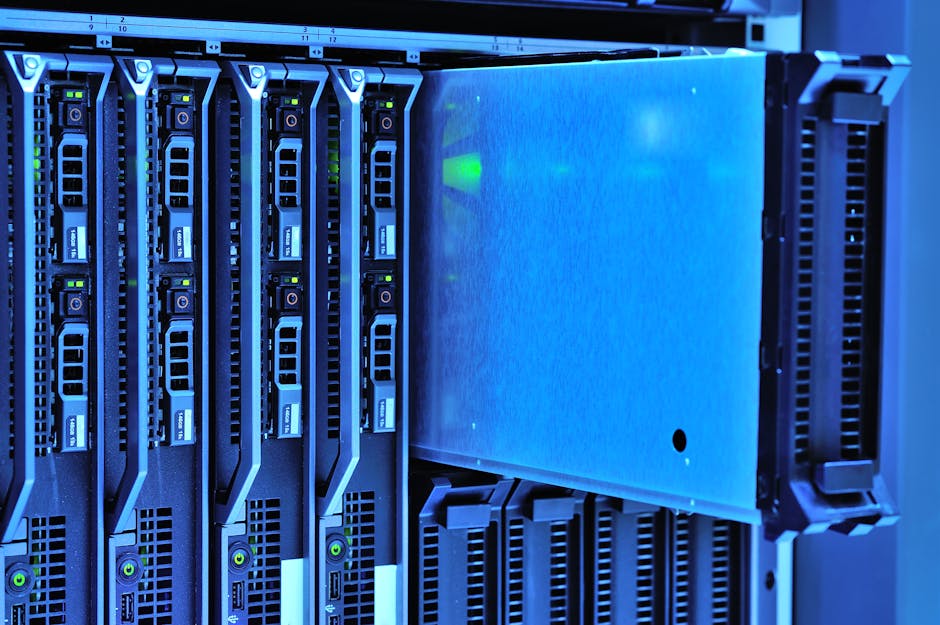
Having evaluated dozens of AI-Driven Predictive Maintenance implementations across manufacturers of varying sizes, I've identified three primary approaches that organizations adopt. Understanding the architectural philosophy, economic model, and operational implications of each helps match solutions to your specific constraints around budget, internal capabilities, and strategic objectives.
Approach 1: Purpose-Built Enterprise Platforms
Industrial automation vendors have developed comprehensive platforms that integrate data acquisition, analytics, and maintenance workflow management.
Representative Solutions
- Siemens MindSphere: Cloud-based IoT operating system with pre-built AI models for common industrial equipment
- GE Digital APM (Asset Performance Management): Suite combining Predix platform with domain-specific applications for power generation, oil & gas, manufacturing
- Rockwell Automation FactoryTalk Analytics: Edge-to-cloud architecture optimized for Allen-Bradley control systems
- Honeywell Forge: Integrated platform spanning from building systems to industrial process optimization
Advantages
Deep domain integration: These platforms come with pre-configured asset models, failure taxonomies, and industry-specific AI algorithms. A Siemens MindSphere deployment for motor monitoring includes bearing defect libraries, thermal signature analysis, and recommended maintenance actions based on decades of field service data.
Vendor ecosystem alignment: Organizations standardized on specific control systems (Allen-Bradley, Siemens S7, etc.) benefit from native connectivity and unified support. Rockwell's FactoryTalk platform, for instance, can directly access PLC tags without intermediate translation layers.
Compliance and security: Enterprise platforms typically meet stringent industrial cybersecurity standards (IEC 62443) and include audit trails required for regulated industries.
Disadvantages
High total cost of ownership: Licensing often follows per-asset or per-data-point pricing models that scale expensively. Total implementation costs (platform licenses + integration services + ongoing subscriptions) frequently exceed $500K-2M for mid-sized deployments.
Vendor lock-in: Proprietary data models and limited export functionality make switching platforms difficult. Migration costs can approach initial implementation investments.
Customization constraints: While configurable, these platforms resist deep customization. Organizations with unique equipment or novel failure modes may find pre-built models inadequate.
Approach 2: Best-of-Breed Component Assembly
This approach combines specialized tools for each layer—data integration, storage, analytics, and visualization—creating custom architectures tailored to specific requirements.
Typical Technology Stack
- Data ingestion: Apache Kafka, MQTT brokers (Mosquitto, HiveMQ)
- Time-series databases: InfluxDB, TimescaleDB, Apache Druid
- ML frameworks: Python (scikit-learn, TensorFlow, PyTorch), R
- Orchestration: Apache Airflow, Kubeflow for ML pipelines
- Visualization: Grafana, custom dashboards via React/Vue.js
- Integration: Node-RED for IoT workflows, custom connectors for SCADA/historian systems
For organizations seeking expert guidance in assembling these components into cohesive AI-Driven Predictive Maintenance systems, partnering with specialists in building AI solutions can accelerate development while avoiding common architectural pitfalls.
Advantages
Maximum flexibility: Organizations control every aspect of implementation—data schemas, model architectures, UI/UX, and integration patterns. This proves essential for manufacturers with proprietary processes or equipment requiring custom feature engineering.
Cost optimization: Open-source components eliminate licensing fees, with costs concentrated in development labor and infrastructure. For organizations with strong internal engineering teams, TCO can be 40-60% lower than enterprise platforms over 3-5 years.
Technology independence: Avoiding vendor lock-in allows adopting emerging technologies (new ML frameworks, database engines, visualization tools) without platform migration.
Disadvantages
High implementation complexity: Building production-grade systems requires expertise spanning IoT protocols, distributed systems, ML engineering, and industrial domain knowledge. Development timelines typically span 6-18 months before delivering business value.
Ongoing maintenance burden: Your team owns all updates, security patches, dependency management, and troubleshooting. This "build it, own it" model can strain organizations lacking deep technical benches.
Integration challenges: Connecting legacy industrial equipment often requires custom protocol development. Each SCADA system, historian database, and ERP platform becomes an integration project.
Approach 3: Hybrid Platform-Plus-Custom Solutions
Many organizations adopt hybrid approaches that balance platform convenience with customization flexibility.
Common Patterns
Pattern A: Platform for infrastructure, custom for analytics - Use enterprise IoT platforms (AWS IoT, Azure IoT Hub, Google Cloud IoT) for device management and data ingestion, but build custom ML models tailored to specific failure modes.
Pattern B: Open-source for development, managed services for operations - Develop models using open frameworks but deploy via managed ML platforms (AWS SageMaker, Azure ML, GCP Vertex AI) to reduce operational burden.
Pattern C: Best-of-breed with integration layer - Assemble specialized tools unified through data integration platforms designed specifically for industrial environments.
Advantages
Balanced trade-offs: Organizations get platform reliability for commodity functions (data ingestion, storage, monitoring) while retaining flexibility for differentiated analytics capabilities.
Incremental investment: Start with platform capabilities, then selectively build custom components where business value justifies development costs.
Risk mitigation: Managed infrastructure components reduce operational risk while custom analytics deliver competitive differentiation.
Disadvantages
Architectural complexity: Managing boundaries between platform and custom components requires careful interface design and governance.
Dual skill requirements: Teams need both platform-specific expertise and general engineering capabilities.
Decision Framework: Selecting Your Approach
Match approaches to organizational context:
Choose Enterprise Platforms if:
- Budget exceeds $1M and timeline pressure is high
- Internal technical capabilities are limited
- Equipment portfolio aligns with vendor specialization (e.g., Rockwell platform for Rockwell controls)
- Regulatory compliance requirements are stringent
Choose Component Assembly if:
- Strong internal data engineering and ML teams exist
- Equipment or processes are highly specialized
- Multi-year TCO optimization outweighs faster time-to-value
- Technology flexibility is strategically important
Choose Hybrid Approaches if:
- Budget and timeline fall in middle ranges ($200K-1M, 6-12 months)
- Some internal capabilities exist but not full end-to-end expertise
- Requirements include both standard and unique elements
Conclusion
No universal "best" approach exists for AI-Driven Predictive Maintenance—optimal choices depend on your organization's technical capabilities, budget constraints, equipment portfolio, and strategic objectives around technology ownership. Enterprise platforms trade flexibility and long-term costs for faster deployment and lower technical risk. Component assembly maximizes customization and cost efficiency but demands substantial engineering investment. Hybrid approaches attempt to capture advantages of both while managing their respective complexities. Successful organizations make these decisions deliberately, aligned with honest assessments of internal capabilities and willingness to build versus buy core competencies. Regardless of approach selected, establishing robust data integration foundations through specialized AI Data Integration Platform capabilities proves essential for long-term success.